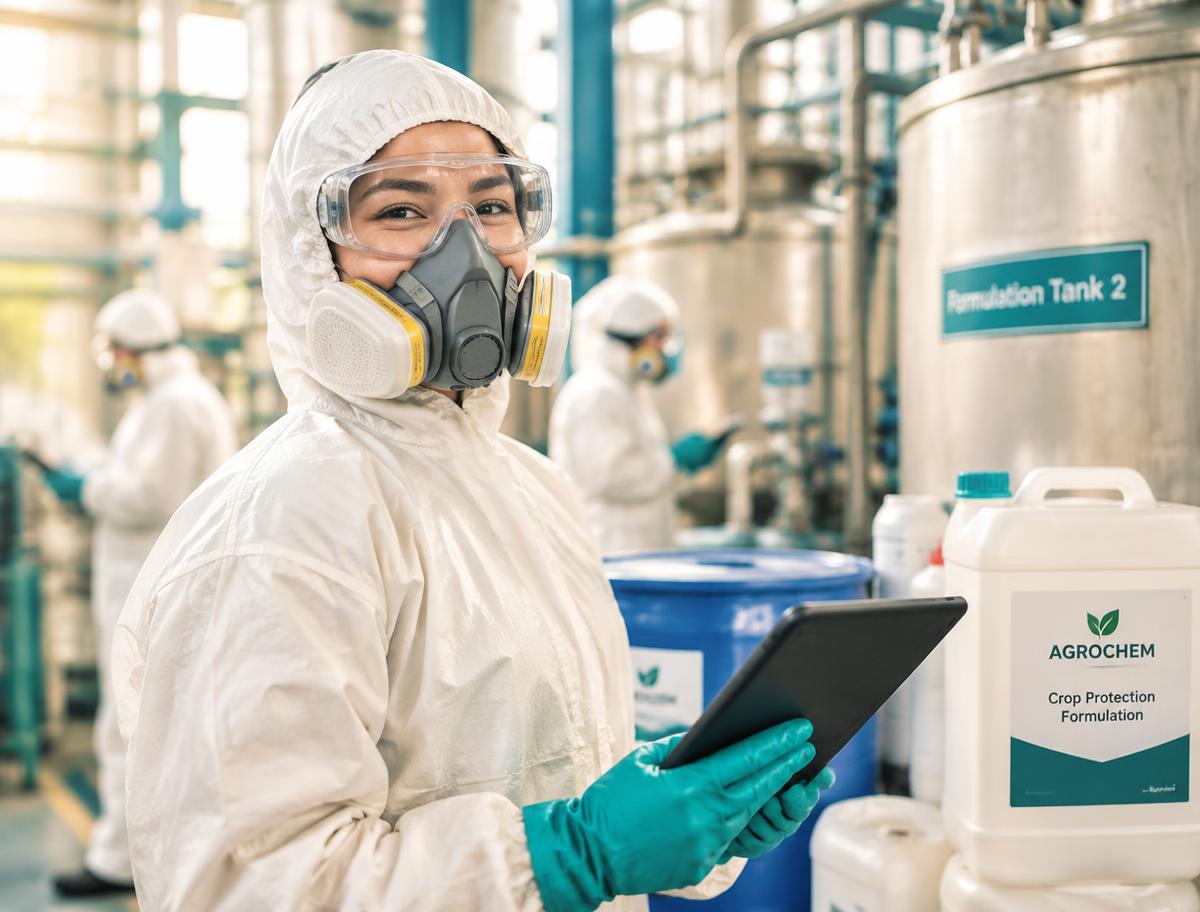
Quality & cross-contamination
Cleaning records, deviations and CAPA linked to batches.
AI reads supplier documents, flags recurring issues and keeps actives and packaging stock planned. Confirm formulation identity at every charge, record cleaning between products, and reconcile packs and labels so production and distribution records are ready when asked.
7-day free trial, no card required. Or .
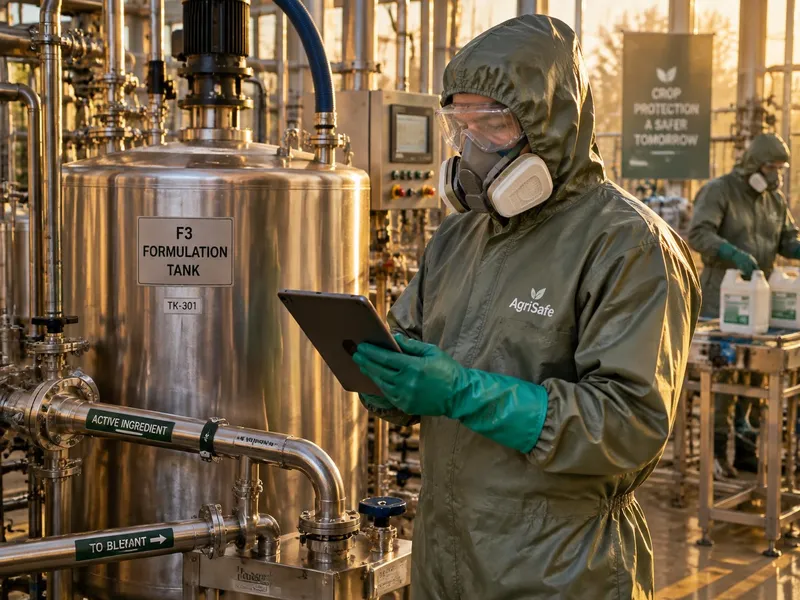
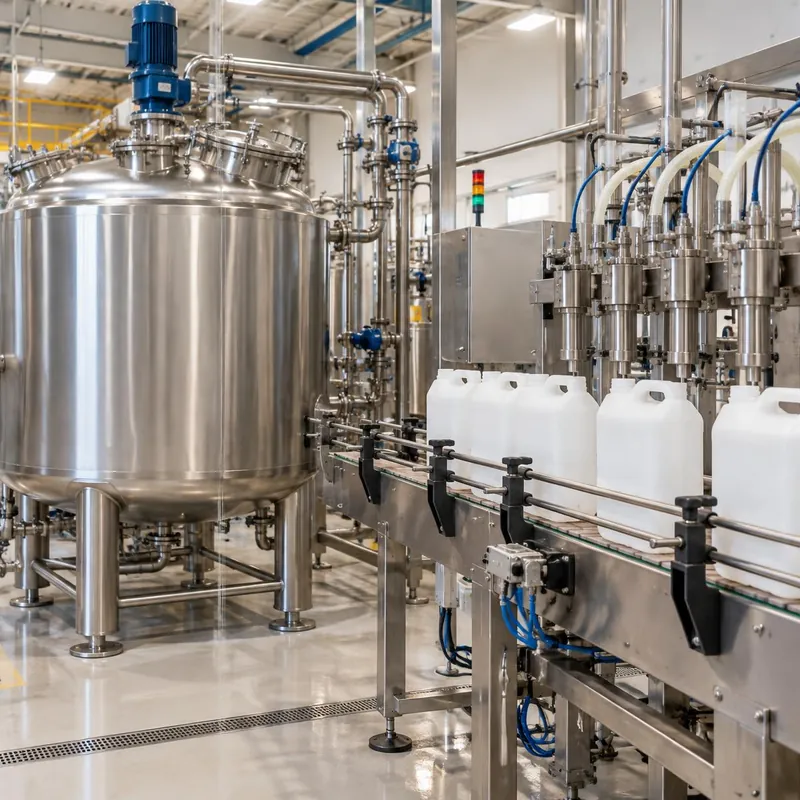
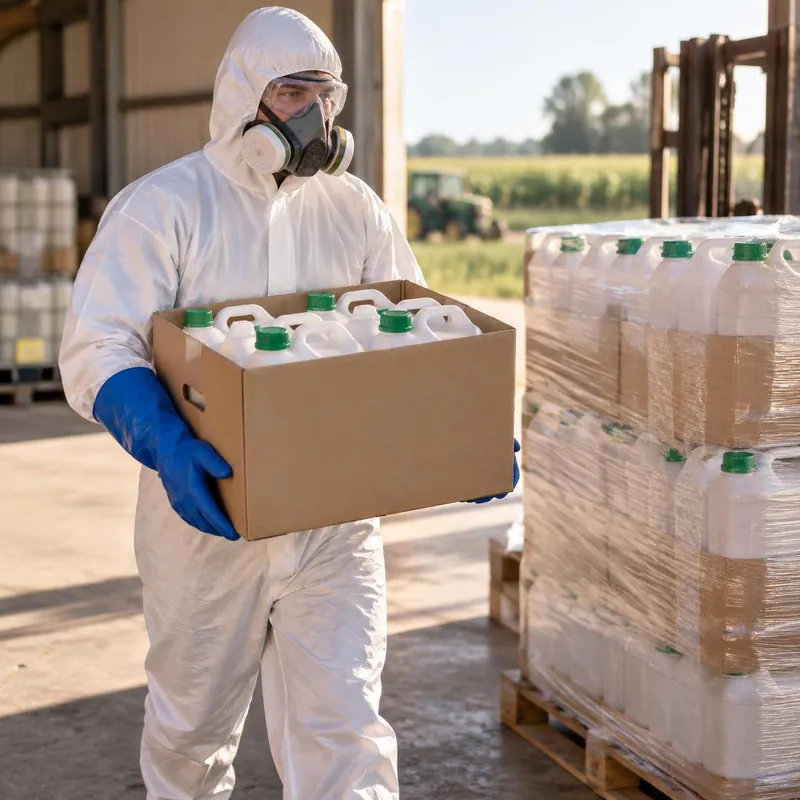
Five reasons not to put it off.
Paper hides mix-ups.
A wrong active lot or missed cleandown stays buried until it reaches the field.
Add warehouse and quality when you're ready.
Active and co-formulant lots are checked against the approved formulation.
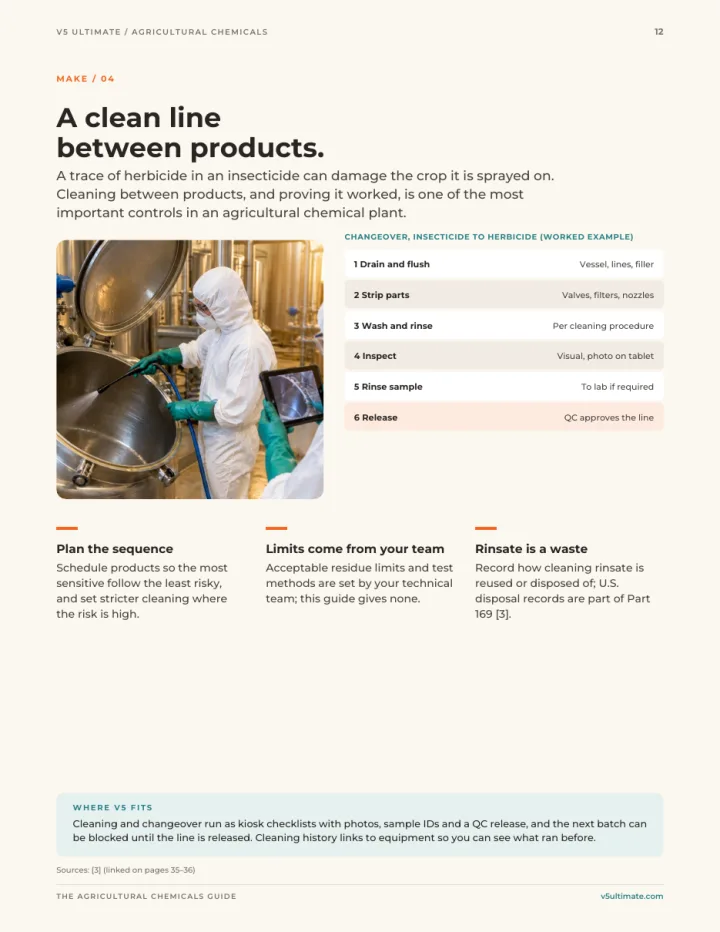
Line cleaning and inspection are recorded before the next product.
Charges and process checks are recorded step by step.
Active content and physical results sit with the batch.
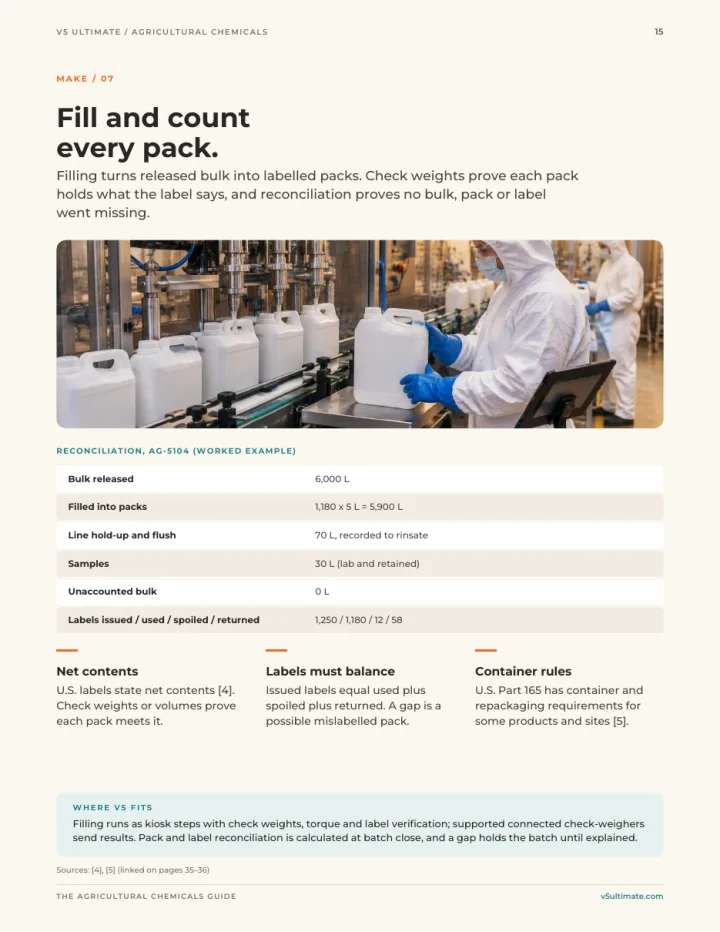
Labels issued, used and returned are counted against packs made.
Each record stays linked by lot, for example TA-77310 → AG-5104 → Packs 5104-* → DSP-3318. People make the quality and release decisions; V5 keeps the evidence together. See inventory & traceability
It predicts and flags. Fixed rules decide. People sign.
Predicts demand before it hits.
Forecasts seasonal demand and tunes reorder points for actives, drums and labels.
Quality, suppliers, equipment and distribution alongside your formulations.
Cleaning records, deviations and CAPA linked to batches.
Active identity, results and current safety data sheets.
Tanks, fillers and scales maintained and calibrated; OEE visible.
Approved formulations, controlled labels and trained operators.
The right active. A clean line. Every pack accounted for.
36 pages · 4 worksheets · 15 primary sources
Free. Just your name and email, and it downloads instantly.
We use your details to handle this request. Privacy policy. Practical orientation, not legal advice; your quality unit decides which rules apply.
Pick a question or write your own. It opens in the assistant for you to edit before sending.
7-day free trial, no card required. No email needed to ask.